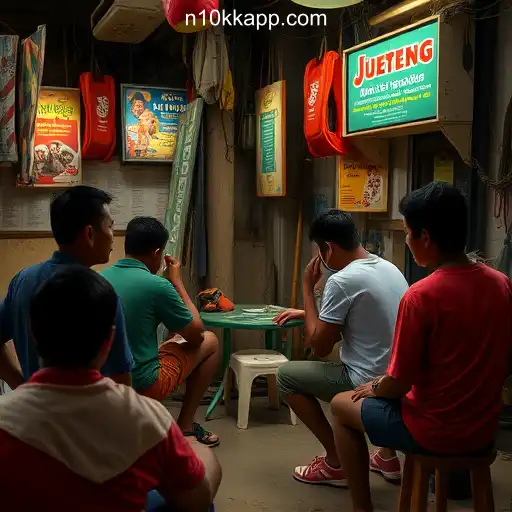
The Cultural and Social Dynamics of Jueteng
Jueteng, a number game reminiscent of a lottery, thrives underground, casting a long shadow over Philippine society. Its presence is not just a reflection of chance and fortune; it unearths deep cultural, social, and economic layers within the country's fabric. This piece delves into the essence of jueteng, exploring its implications and the factors that contribute to its enduring existence.
Origins and Mechanics of Jueteng
Dating back to the Spanish colonial era, jueteng has roots that intertwine with the everyday lives of many Filipinos. The game is deceptively simple: players choose a set of numbers from a defined range, wagering amounts small enough for daily participation. Despite its simplicity, jueteng's process involves a complex network of bet collectors, handlers, and operators, each playing pivotal roles in maintaining the seamless execution of daily draws.
The game thrives in areas where informality reigns supreme, its draw transcending typical gambling—jueteng has morphed into a social glue, a chance for participants to bond over shared hopes of striking it lucky. The anticipation of results, the speculation, and the shared disappointment or elation contribute to a communal ritual that forms part of its appeal.
Economic Underpinnings
The monetary motivation behind jueteng cannot be overstated. As an informal economic system, it thrives out of necessity in regions where government-backed social services may fall short. The game provides immediate liquidity in communities where financial pressures loom large. Several studies have shown that insufficient employment opportunities and economic hardships compel people to participate, making jueteng a seemingly viable, albeit risky, economic endeavor.
Additionally, jueteng integrates with the local economy, sustains informal employment, and generates livelihoods for thousands—from lower-tier collectors to the higher echelons managing operations. However, this economic engine runs on precarious grounds, often coming into conflict with regulation and legal taxation frameworks, fueling debates on its legalization and potential integration into the formal economy.
Social Impact and Governance Challenges
The widespread reach of jueteng presents intricate challenges to governance and the rule of law. Given its illegal status, efforts to regulate or thwart its operations are met with various socio-political roadblocks. The game’s entrenchment in communities often means it carries influence over local political dynamics, occasionally even alleged to fuel corruption where government officials benefit from its continued existence.
Culturally, jueteng embodies a form of resistance against rigid structures. It represents the defiance of ordinary citizens against systemic inadequacies, a chance to achieve financial gains unhindered by the formal economy’s boundaries. This social capital translates into a complex narrative of community identity and resistance interwoven with power dynamics.
Building a Framework for Addressing Jueteng
Considering jueteng's deep roots, strategies to address its prevalence need nuanced, multi-dimensional approaches. Any state-level intervention must account for the socio-economic realities of the communities entangled in its network.
Legalization and Regulation: There are advocacy groups arguing for the legalization and formal integration of jueteng into the country's licensed lottery systems. This could potentially address regulatory shortcomings and capture revenues otherwise lost to informal operations.
Furthermore, regulation can provide frameworks for safeguard mechanisms that protect vulnerable populations from the adverse effects of gambling while ensuring that proceeds contribute positively to community development.
Empowerment and Education: Beyond legal remedies, recognizing jueteng as a symptom of larger socio-economic issues calls for broader interventions focused on poverty alleviation and educational outreach. Empowering communities with viable economic alternatives, expanding access to educational resources, and bolstering employment opportunities can gradually shift dependencies away from informal gambling.
The educational angle extends to public awareness campaigns about the risks of gambling and the potential benefits of participating in formal economic structures. This awareness could temper the allure of quick wins that jueteng offers.
Conclusion
The ongoing narrative of jueteng is a microcosm of the broader dilemmas faced by Philippine society—it reflects the tensions between informality and regulation, between economic survival and structured enterprise. Ultimately, understanding jueteng requires a contextual grasp of its ties to cultural identity, economic necessity, and social cohesion. As stakeholders deliberate on its future, balance remains key to potentially harnessing its latent benefits while mitigating its inherent risks.
For those exploring alternatives, especially in a digital age where opportunities abound, options like n10kk Cassino online mais confiável do Brasil🍀 might seem inviting. Despite the promise of such online platforms, the lure of localized, culturally rich games like jueteng continues to hold sway, reaffirming its enduring legacy in the Philippines.