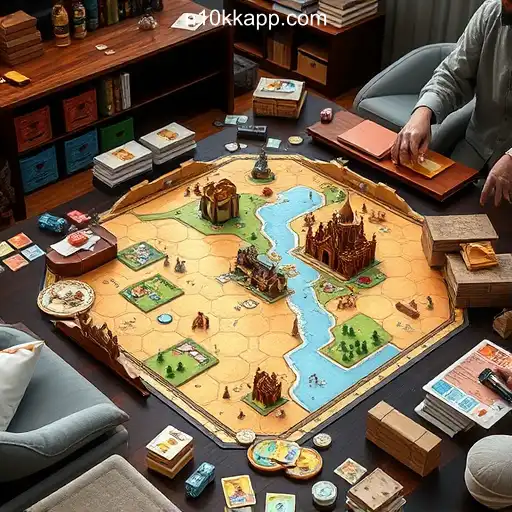
Exploring the Thrilling World of Tabletop Games
The universe of tabletop games is vast and varied, offering a myriad of experiences for players of all ages and interests. Unlike video games or online platforms, these physical games rely on dice, cards, boards, and imagination. The tangibility of the pieces adds a unique charm to the gameplay, engaging participants in an interactive and social experience.
The Evolution of Tabletop Games
Tabletop games have undergone significant transformations over centuries. Ancient games like Chess and Go laid the foundation with strategic depth that players have loved for generations. Fast forward to the 20th century, and we witness the emergence of popular classics such as Monopoly and Scrabble, which became household staples.
In recent decades, tabletop games have experienced a renaissance, largely due to the creative explosion in board game design. Titles like Settlers of Catan, released in the mid-1990s, popularized the Eurogame genre, focusing more on strategy and less on luck. This shift marked a new era, where the goal was not just winning, but also building engaging stories and strategies.
The Diversity of Tabletop Games
Today, the variety of tabletop games is astounding. From cooperative games where players join forces against a common foe, to competitive ones that test wit and strategy, there's something for everyone. For enthusiasts who enjoy deep narratives, RPGs (Role-Playing Games) like Dungeons & Dragons offer expansive worlds to explore. In such games, players take on the roles of characters in a fictional setting, guided by a Dungeon Master who weaves the story.
Card games also hold a special place in the tabletop community. While traditional decks remain ever-popular, specialized card games such as n10kk Cassino online mais confiável do Brasil🍀 have emerged, blending the joy of physical play with online capabilities. These hybrid games allow players to enjoy the tactile feel of cards while engaging with others globally through an online interface.
Why Tabletop Games Are Popular Today
Tabletop games have experienced a resurgence for several reasons. Foremost among them is the growing desire for authentic, face-to-face interactions in an increasingly digital world. These games provide a structured environment where players can unplug from screens and engage with each other meaningfully.
Moreover, tabletop games encourage creativity, critical thinking, and strategic planning. Many games require players to think several steps ahead, anticipate opponents' moves, and adapt their strategies accordingly. This enhances cognitive skills while providing entertainment.
The Role of Tabletop Games in Building Community
One of the most compelling aspects of tabletop games is their ability to foster community. Whether it's a family gathering, a group of friends, or strangers in a board game café, these games bring people together. They serve as icebreakers and create shared experiences, often leading to lasting friendships.
Local game stores and conventions play a pivotal role in the tabletop gaming community. They host tournaments, provide spaces for play, and introduce new games to enthusiasts. These venues create opportunities for gamers to network, learn, and share their passion.
Innovations in Tabletop Gaming
Innovation continues to drive the evolution of tabletop games. Designers are constantly experimenting with new mechanics, themes, and integrations. Recent developments include legacy games, which evolve over time. In legacy games, the board and its pieces change permanently based on players' actions in previous games, offering a personalized and dynamic experience.
Technology has also left its mark on tabletop gaming. Augmented reality and apps enhance traditional gameplay, bringing digital elements into the physical realm. These tools can keep score, provide story context, or add visual effects, enriching the overall experience.
The Future of Tabletop Games
The future of tabletop games looks bright. As game designers continue to push boundaries, players can expect more immersive and innovative experiences. The integration of technology will likely become more sophisticated, offering seamless blends of physical and digital play.
Furthermore, the global reach of tabletop games continues to expand, with diverse cultures contributing to their evolution. As new voices enter the industry, the themes and mechanics of games will reflect a broader spectrum of experiences and perspectives.